

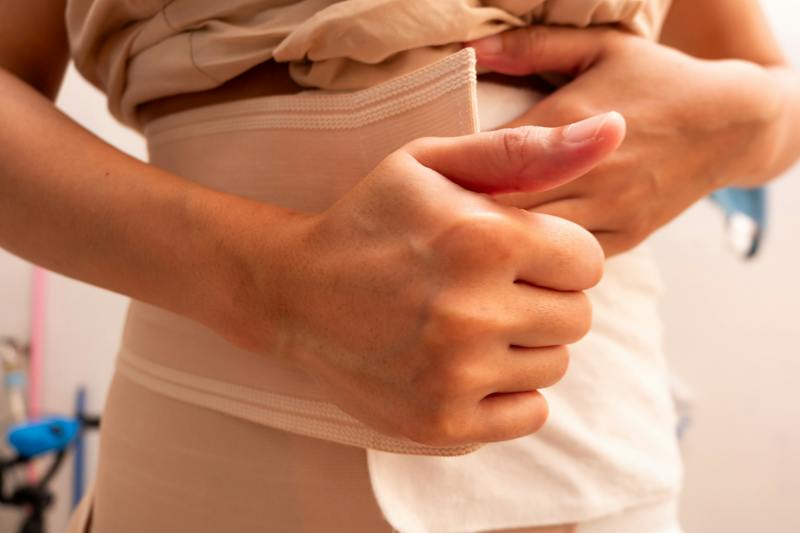
The best compression garments for post-tummy tuck recovery include Stage 1 abdominal binders for the first two weeks, followed by Stage 2 fajas or high-waisted compression shorts for weeks three through eight. Choosing the right garment depends on your specific procedure type, your surgeon's recommendations, and key features like compression level, closure style, and breathability. This guide breaks down everything you need to know about selecting, wearing, and caring for compression garments throughout your tummy tuck recovery journey.
Whether you're preparing for an upcoming tummy tuck procedure or seeking better-quality options after a previous experience with subpar garments, understanding the differences between compression garment types will help you achieve optimal healing results. The right compression wear supports your body during the critical weeks following abdominoplasty surgery, helping reduce swelling, protect your incision, and shape your final contours.
Why Compression Garments Are Essential for Tummy Tuck Recovery
Compression garments serve multiple critical functions during tummy tuck recovery, making them a non-negotiable part of your post-operative care plan. These specialized garments apply consistent, graduated pressure to your abdominal area, which directly supports the healing process in several important ways.
First, compression reduces post-surgical swelling by preventing excess fluid accumulation in the tissues. After a tummy tuck, your body naturally produces fluid as part of the inflammatory healing response. Without adequate compression, this fluid can pool in the surgical area, prolonging swelling and potentially leading to complications like seromas.
Second, compression garments support your newly tightened abdominal muscles and repositioned skin. During abdominoplasty surgery, your surgeon repairs separated or weakened muscles and removes excess skin to create a firmer abdominal profile. Compression helps hold these tissues in their new position while internal healing occurs, which can take several months to complete.
Third, wearing a compression garment protects your incision site from friction and external pressure. The garment acts as a barrier between your healing incision and clothing, reducing irritation and supporting proper scar formation. Many patients who combine compression wear with silicone scar sheets for tummy tuck recovery report improved scar appearance at the one-year mark.
Finally, compression provides physical support that reduces discomfort during movement. Many patients describe feeling more secure and experiencing less pain when wearing their compression garment, particularly during the tummy tuck recovery first week when sensitivity is highest.
Stage 1 vs. Stage 2 Compression Garments: What to Wear and When
Stage 1 and Stage 2 compression garments serve different purposes during your recovery timeline, and understanding when to transition between them is essential for optimal results.
Stage 1 compression garments are designed for immediate post-operative use, typically worn from the day of surgery through weeks one and two. These garments feature moderate compression levels that accommodate significant swelling while still providing adequate support. Stage 1 garments often include features like front hook-and-eye closures or side zippers that make them easier to put on and remove when mobility is limited. Many surgeons provide a Stage 1 garment immediately after your tummy tuck procedure, though the quality of surgeon-provided garments varies considerably.
Stage 2 compression garments, often called fajas, provide firmer compression and are typically introduced around weeks two through four, depending on your surgeon's protocol. These garments are designed for a body with reduced swelling and offer more shaping capability. Stage 2 fajas often feature higher compression levels, more structured boning, and a closer fit that helps contour your results as healing progresses. Patients who underwent a liposuction tummy tuck combination procedure may require Stage 2 garments with extended coverage areas.
The transition from Stage 1 to Stage 2 should always be guided by your surgeon's assessment of your healing progress. Switching too early can cause discomfort, while waiting too long may mean missing the optimal window for tissue shaping. Most patients wear Stage 2 compression through weeks six to eight, with some surgeons recommending continued wear for up to twelve weeks for extended tummy tuck procedures.
Types of Tummy Tuck Compression Garments Compared
Several types of compression garments are available for tummy tuck recovery, each offering different coverage areas and features suited to specific needs.
Abdominal Binders
Abdominal binders are wide, wrap-style garments that encircle the midsection with adjustable velcro or hook closures. They provide targeted compression to the abdominal area without extending to the hips or thighs. Binders work well as Stage 1 garments because their adjustability accommodates fluctuating swelling levels. However, they can shift or roll during movement, which some patients find frustrating.
Full-Length Fajas
Full-length fajas extend from below the bust to the knees or ankles, providing comprehensive compression across the entire torso and thighs. These garments are particularly beneficial for patients who combined their tummy tuck with body contouring procedures like thigh lifts or extensive liposuction. Full-length fajas offer excellent support but can be more challenging to wear in warm climates due to reduced breathability.
High-Waisted Compression Shorts
High-waisted compression shorts cover the abdomen and extend to mid-thigh, offering a balance between targeted compression and comfort. These garments work well as Stage 2 options for patients who had standard abdominoplasty without lower body procedures. They're easier to wear under clothing and more comfortable for daily activities than full-length options.
Compression Bodysuits
Compression bodysuits provide full-torso coverage with built-in bra support, making them ideal for patients who had a tummy tuck as part of a mommy makeover that included breast procedures. These all-in-one garments eliminate the need for multiple compression pieces but require careful sizing to ensure proper fit across different body areas.
| Garment Type | Coverage Area | Best For | Stage |
|---|---|---|---|
| Abdominal Binder | Midsection only | Immediate post-op, adjustable compression needs | Stage 1 |
| Full-Length Faja | Bust to knees/ankles | Combined procedures, maximum shaping | Stage 2 |
| High-Waisted Shorts | Abdomen to mid-thigh | Standard tummy tuck, daily wear comfort | Stage 2 |
| Compression Bodysuit | Full torso with bra | Mommy makeover combinations | Stage 1 or 2 |
How to Choose the Right Compression Garment for Your Abdominoplasty
Selecting the right compression garment requires evaluating several key features that directly impact both comfort and effectiveness during your recovery.
Compression Level
Compression garments are rated by the amount of pressure they apply, typically measured in millimeters of mercury (mmHg). For tummy tuck recovery, Stage 1 garments generally provide 15-25 mmHg of compression, while Stage 2 garments offer 25-35 mmHg. Higher compression is not always better—wearing overly tight garments can restrict circulation and cause discomfort. Your surgeon can recommend the appropriate compression level based on your specific procedure and healing progress.
Closure Style
Hook-and-eye closures running down the front of the garment are the most practical option for tummy tuck recovery. These closures allow you to adjust the fit as swelling decreases and make bathroom use significantly easier during the weeks when bending is difficult. Side zippers offer a sleeker profile under clothing but can be harder to manage independently. Avoid garments that require stepping into or pulling over your head, as these movements strain your incision during early recovery.
Boning and Structure
Quality Stage 2 fajas include flexible boning—typically plastic or steel rods sewn into vertical channels—that prevents the garment from rolling or bunching. Boning provides additional support to your abdominal wall and helps maintain the garment's shape during extended wear. Garments without boning tend to shift throughout the day, reducing their effectiveness.
Fabric and Breathability
Look for garments made from moisture-wicking, breathable fabrics that won't trap heat against your skin. Cotton-lined panels in the abdominal area provide comfort against your incision, while outer layers with spandex or similar stretch materials maintain compression. Patients recovering in warm climates should prioritize breathability to prevent skin irritation and excessive sweating.
Sizing Considerations
Proper sizing is critical for compression garment effectiveness. Most manufacturers provide sizing charts based on your pre-surgery measurements, though some recommend sizing up for Stage 1 garments to accommodate post-operative swelling. A mini tummy tuck typically requires less coverage than a full or extended tummy tuck, so consider your specific procedure when selecting garment length and style. When exploring your surgical options, discuss garment sizing with your surgeon during your consultation.
Week-by-Week Compression Garment Timeline After Tummy Tuck
Understanding the tummy tuck recovery week by week progression helps you plan your compression garment needs and set realistic expectations for your healing journey.
Week 1: Maximum Support Phase
During the tummy tuck recovery first week, you'll wear your Stage 1 compression garment continuously, removing it only for brief showers once your surgeon clears you to bathe. Swelling peaks during this week, and the garment provides essential support as you begin moving around. Expect to feel significant tightness, which is normal and necessary for proper healing.
Weeks 2-3: Transition Phase
Swelling begins to decrease, and many surgeons recommend transitioning to a Stage 2 garment around the end of week two. You'll still wear compression around the clock, though some patients receive clearance to remove the garment for short periods. This is when the shaping benefits of compression become more apparent as your body adjusts to its new contours.
Weeks 4-6: Active Recovery Phase
Most patients continue wearing their Stage 2 garment for 12-18 hours daily during this phase. You may be cleared to remove compression during sleep, though many patients find they sleep more comfortably with the garment on. Light activities resume during this period, and the garment provides support during increased movement.
Weeks 7-12: Maintenance Phase
Compression wear gradually decreases to 8-12 hours daily, typically during waking hours. Some surgeons recommend continued compression during exercise or strenuous activity for up to six months. By week twelve, most patients have transitioned to wearing compression only as needed for comfort or during physical activity.
Beyond Week 12
While daily compression typically ends around the three-month mark, some patients choose to wear compression garments during exercise or for special occasions when they want extra smoothing. The tummy tuck scar after 1 year will have matured significantly, and compression is no longer necessary for healing purposes.
Caring for Your Compression Garment During Recovery
Proper garment care extends the life of your compression wear and ensures you maintain hygienic conditions during healing.
Most surgeons recommend purchasing at least two compression garments so you can rotate between them while washing. Hand washing in cool water with mild detergent preserves the elastic fibers better than machine washing. If you must use a washing machine, place the garment in a mesh laundry bag and select the delicate cycle with cold water.
Never put compression garments in the dryer. High heat degrades the elastic fibers and reduces compression effectiveness. Instead, lay the garment flat on a clean towel or hang it to air dry away from direct sunlight. Most garments dry within a few hours, making rotation between two garments practical.
Inspect your garments regularly for signs of wear, including stretched-out elastic, broken hooks, or fabric thinning. A garment that no longer provides firm compression should be replaced, as inadequate compression can compromise your results. Most quality compression garments maintain their effectiveness for eight to twelve weeks of daily wear with proper care.
Keep your skin clean and dry before putting on your compression garment. Applying lotion or oils before wearing compression can cause the garment to slip and may irritate your incision. If you're using silicone scar sheets, apply them directly to your scar and allow them to adhere before putting on your compression garment over top.
Schedule Your Tummy Tuck Consultation in Jacksonville
Choosing the right compression garment is just one part of preparing for successful tummy tuck recovery. Working with an experienced, board-certified plastic surgeon ensures you receive personalized guidance on every aspect of your procedure, from pre-operative preparation through final results.
At Plastic Surgery Jacksonville, our surgical team provides detailed recovery instructions tailored to your specific procedure, whether you're considering a mini tummy tuck, full abdominoplasty, or extended tummy tuck combined with liposuction. During your consultation, we'll discuss the risks of tummy tuck surgery, review your medical history, and help you understand what to expect during each phase of recovery.
Ready to take the next step toward achieving your body contouring goals? Contact our office to schedule your tummy tuck consultation. Our team will answer your questions about compression garments, recovery timelines, and everything else you need to know to prepare for your transformation.
Frequently Asked Questions
How long do you need to wear a compression garment after a tummy tuck?
Most patients wear compression garments for six to twelve weeks after a tummy tuck. During weeks one through three, you'll wear compression continuously (23 hours per day). Weeks four through six typically require 12-18 hours of daily wear, and weeks seven through twelve involve 8-12 hours daily. Your surgeon may adjust this timeline based on your individual healing progress and whether you had additional procedures like liposuction.
What should I look for when choosing a tummy tuck compression garment?
Look for garments with appropriate compression levels (15-25 mmHg for Stage 1, 25-35 mmHg for Stage 2), front hook-and-eye closures for easy bathroom access, flexible boning to prevent rolling, and breathable moisture-wicking fabric. Proper sizing based on your pre-surgery measurements is essential. Quality construction with reinforced seams ensures the garment maintains compression throughout your recovery period.
What disqualifies you from getting a tummy tuck?
Several factors may disqualify you from tummy tuck surgery, including uncontrolled diabetes, active smoking, significant heart or lung conditions, BMI above 30-35 (depending on surgeon protocols), plans for future pregnancy, and unrealistic expectations about results. A thorough medical evaluation during your consultation determines your candidacy based on your individual health profile and goals.
What is the difference between a mini tummy tuck and a full tummy tuck compression garment fit?
Mini tummy tuck compression garments typically provide targeted coverage below the navel, while full tummy tuck garments extend from below the bust to the hips or thighs. Extended tummy tuck procedures require garments with additional side coverage to support the flanks. The key difference is coverage area—your garment should fully cover all areas where your surgeon performed tissue manipulation or liposuction.
Can you use silicone scar sheets with a tummy tuck compression garment?
Yes, silicone scar sheets can be used underneath your compression garment once your incision has fully closed, typically around weeks two to three. Apply the silicone sheet directly to your clean, dry scar, then put on your compression garment over top. The compression actually helps hold the silicone sheet in place. Many patients find this combination improves their tummy tuck scar appearance over time.
What happens if you don't wear a compression garment after abdominoplasty surgery?
Skipping compression after abdominoplasty surgery increases your risk of prolonged swelling, seroma formation (fluid accumulation requiring drainage), poor skin retraction, and suboptimal contouring results. Without compression, your healing tissues lack the support needed to settle into their new position properly. Patients who don't wear compression consistently often experience longer recovery times and may be less satisfied with their final results.
How long does tummy tuck swelling last and how does a compression garment help?
Tummy tuck swelling typically peaks during the first week and gradually decreases over three to six months, with minor swelling potentially lasting up to one year. Compression garments help by applying consistent pressure that prevents fluid accumulation, supports lymphatic drainage, and encourages tissues to settle smoothly. Patients who wear compression consistently during the tummy tuck recovery week-by-week timeline generally experience faster swelling resolution than those who skip garment wear.